A Legacy of Luxury, Heritage, and Handmade Excellence
Few textiles in the world carry the prestige, elegance, and cultural significance of the Kashmir Pashmina shawl. Renowned for its extraordinary softness, warmth, and intricate craftsmanship, an authentic shawl is far more than a luxury accessory—it is a masterpiece woven from centuries of tradition.
For over 500 years, Kashmiri artisans have transformed the world’s finest natural fibers into timeless works of art. Every authentic Kashmir shawl tells a story of heritage, patience, and exceptional craftsmanship that has been passed from one generation to the next.
In this article, we explore The Timeless History of Kashmir Pashmina Shawls, the traditional manufacturing process, and why these handcrafted treasures continue to be admired around the world.
The Origin of Pashmina
The word “Pashmina” comes from the Persian word Pashm, meaning “soft wool.” The fiber is obtained from the fine undercoat of the Changthangi goat, which lives in the harsh, high-altitude regions of Ladakh in the Himalayas. During the cold winter months, these goats develop an incredibly soft inner fleece that protects them from temperatures that can drop below -30°C.
Each spring, the fine wool is carefully collected through combing, ensuring the delicate fibers remain intact. These rare fibers are then transported to Kashmir, where they begin their transformation into the luxurious shawls admired worldwide.
How Pashmina Reached Kashmir
Although the raw wool originates in the Himalayan region, Kashmir became the center of its craftsmanship because of its highly skilled weavers and artisans.
During the 15th century, the art of weaving Pashmina flourished under the patronage of Sultan Zain-ul-Abidin, often remembered for encouraging art, culture, and traditional crafts in Kashmir. Skilled craftsmen developed sophisticated weaving techniques that soon earned Kashmir international recognition for producing the world’s finest shawls.
Over time, these weaving traditions became an integral part of Kashmiri culture and were passed down through generations of artisan families.
The Traditional Art of Making a Kashmir Pashmina Shawl
Producing an authentic Kashmir Pashmina shawl is an intricate process requiring remarkable skill and patience.
1. Collecting the Wool
Only the soft undercoat of the Changthangi goat is used. Since each goat produces only a small quantity of fine fiber each year, genuine remains one of the world’s rarest natural fibers.
2. Hand Spinning
The raw fibers are cleaned, sorted, and carefully hand-spun into delicate yarn using traditional spinning techniques. This process demands precision to preserve the softness and strength of the fibers.
3. Hand Weaving
Master weavers use traditional wooden handlooms to weave the yarn into elegant fabrics. Depending on the design and weave, completing a single shawl may take several days or several weeks.
4. Hand Embroidery
Many Kashmir Pashmina shawls are decorated with exquisite hand embroidery, including:
- Sozni embroidery
- Ari embroidery
- Tilla embroidery
- Papier-mâché inspired floral motifs
- Traditional Kashmiri paisley (boteh) designs
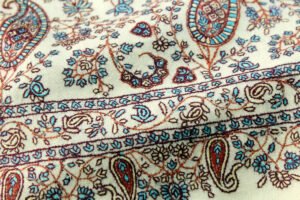
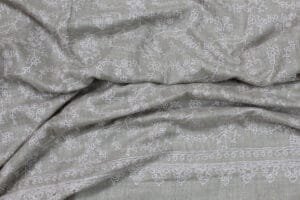
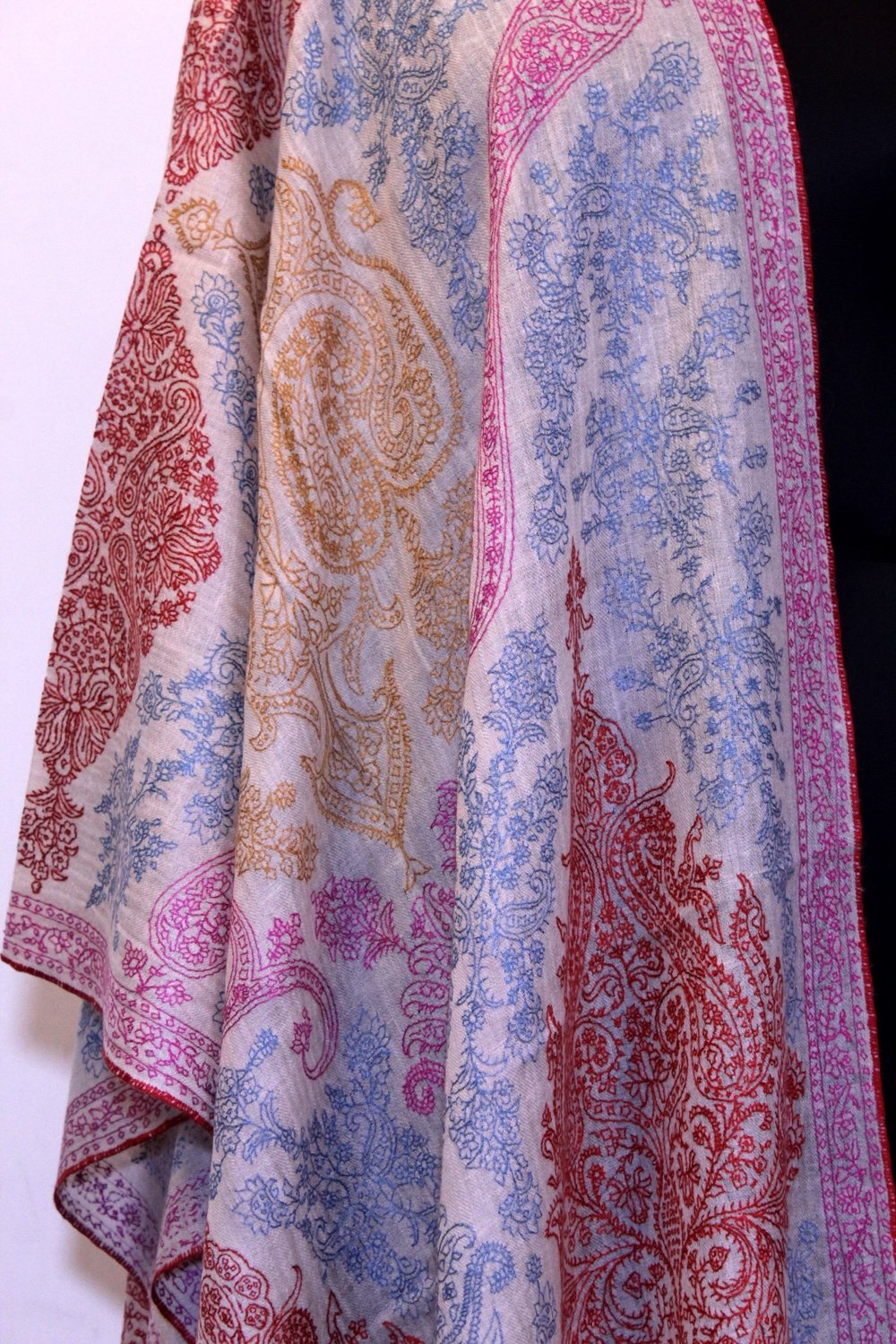
Master embroiderers spend weeks or even months creating intricate floral and vine patterns that transform each shawl into a wearable work of art.
Why Kashmir Pashmina Shawls Are So Special
Several factors make authentic Kashmir Pashmina unique:
- Exceptional softness
- Lightweight yet incredibly warm
- Breathable natural fibers
- Completely handmade craftsmanship
- Rich cultural heritage
- Timeless elegance
Every authentic shawl reflects hundreds of hours of skilled labor, making no two pieces exactly alike.
Pashmina Through the Ages
Throughout history, Kashmir Pashmina shawls have been treasured by royalty, nobility, and collectors.
During the Mughal era, Pashmina became a symbol of prestige and refinement. Emperors gifted beautifully embroidered shawls to visiting dignitaries, while noble families prized them as heirlooms.
By the 18th and 19th centuries, Kashmir Pashmina had reached Europe, where it became highly fashionable among aristocrats and was admired for its unparalleled softness and artistry. Today, these shawls continue to represent timeless luxury and craftsmanship across the world.
Preserving a Living Heritage
The craft of making authentic Kashmir Pashmina is more than a profession—it is a cultural legacy. Many artisan families continue to preserve techniques that have been handed down over generations, ensuring that traditional skills survive in a rapidly changing world.
Supporting handmade Pashmina also helps sustain rural livelihoods and keeps centuries-old craftsmanship alive for future generations.
Choosing an Authentic Kashmir Pashmina Shawl
When purchasing a genuine Kashmir Pashmina shawl, look for:
- Hand-spun and handwoven construction
- Fine, lightweight, and exceptionally soft texture
- Natural fiber composition
- Traditional Kashmiri craftsmanship
- Detailed hand embroidery where applicable
- Trusted artisans or reputable manufacturers
Authentic Pashmina is an investment in quality, heritage, and enduring elegance.
Experience Authentic Kashmir Craftsmanship with KashCrafts
At KashCrafts, we are dedicated to preserving the centuries-old tradition of Kashmir Pashmina weaving. We work closely with skilled artisans who continue to create authentic handmade shawls using traditional techniques that have been perfected over generations.
Every KashCrafts shawl reflects exceptional craftsmanship, ethical sourcing, and the timeless beauty of Kashmir’s artistic heritage. Whether you are a retailer, wholesaler, or collector, our collections celebrate the elegance and authenticity that have made Kashmir Pashmina famous around the world.
Discover the beauty of genuine handmade Kashmir Pashmina and become part of a tradition that has endured for centuries.